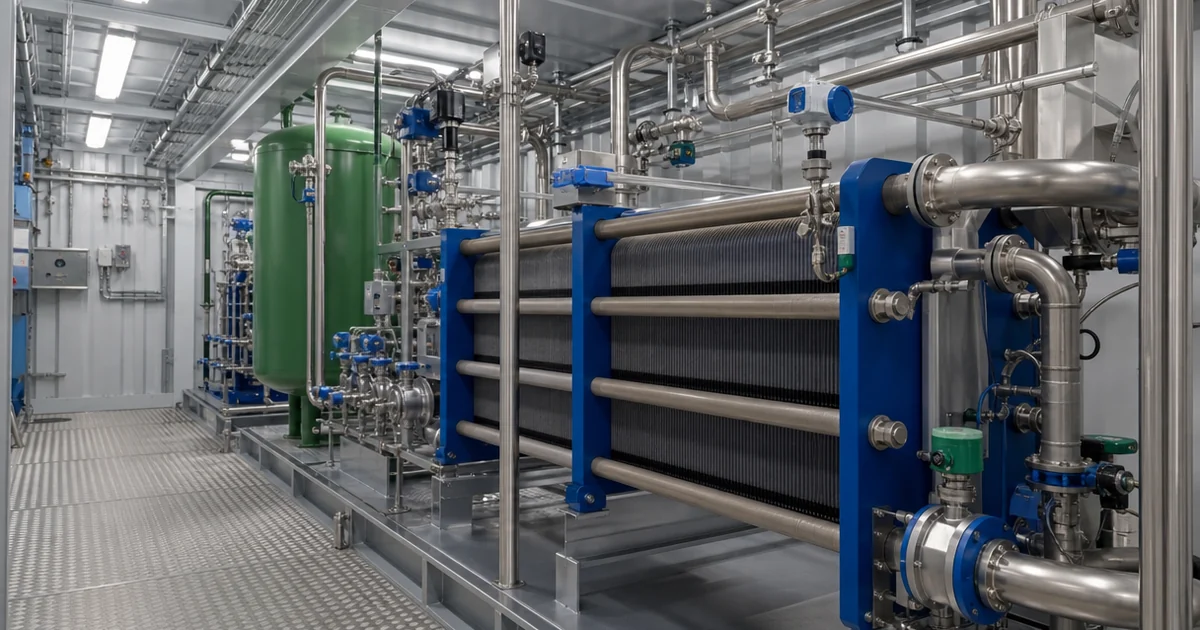
Hidrojen elektrolizörü basınç izleme; su beslemesi, stack, hidrojen çıkışı, oksijen çıkışı, separatör, kurutucu ve aşağı akış tampon bölümlerinde basıncı ölçüp yorumlama uygulamasıdır. Basınç; tıkalı akış yolları, separatör kararsızlığı, vana sıralama hataları, kompresör giriş sorunları ve tehlikeli gaz birikimi için hızlı bir saha sinyalidir. Düşük emisyonlu hidrojen projeleri pilot skidlerden daha büyük modüler tesislere geçerken, mühendislerin okunabilir, hidrojen ve oksijen servisine uyumlu ve gerçek işletme kararlarını destekleyen noktalara yerleştirilebilen manometre ve basınç transmitterlerine ihtiyacı vardır.
1. Why electrolyzer pressure monitoring is becoming a design priority
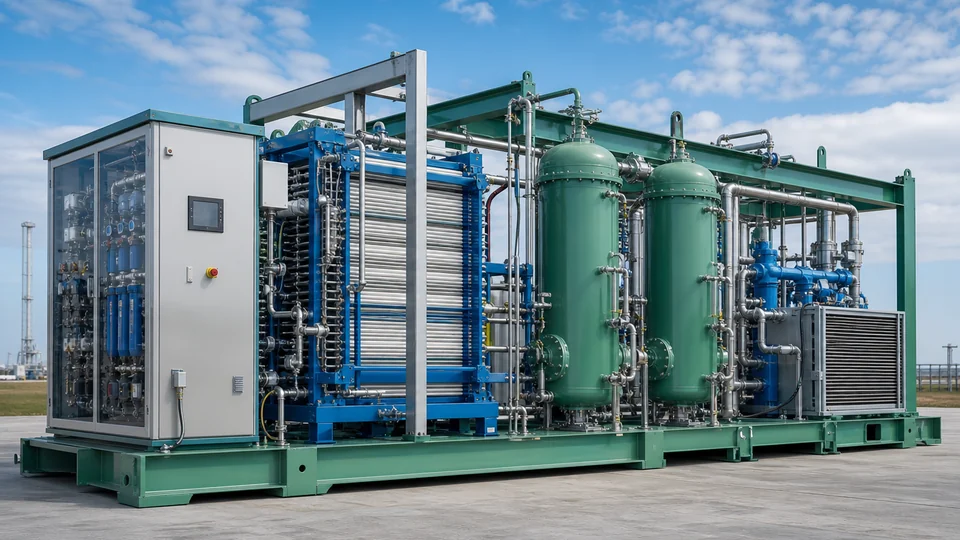
Electrolysis uses electricity to split water into hydrogen and oxygen; the U.S. Department of Energy describes the reaction as taking place in a unit called an electrolyzer. The International Energy Agency also tracks low-emissions hydrogen production and notes that project pipelines are maturing even as many announcements face cost, demand and policy pressure. In that environment, hydrogen electrolyzer pressure monitoring is not a decorative local gauge. It is part of the operating envelope for a skid that handles water, hydrogen, oxygen, heat rejection and downstream storage or compression.
The primary keyword for this article is hydrogen electrolyzer pressure monitoring. Related search terms include hydrogen pressure gauge selection, electrolyzer pressure transmitter, oxygen service pressure instrument and green hydrogen skid instrumentation. The long-tail procurement question is: which pressure instruments should be specified for a hydrogen electrolyzer package when the same skid contains hydrogen, oxygen, water and control-system requirements?
Pressure cannot prove gas purity, stack efficiency or compliance by itself. It does reveal whether the process is behaving in the expected hydraulic and gas-flow pattern. A stable pressure trend after startup suggests that feed control, gas separation and outlet regulation are coordinated. A sudden drop may point to leakage, valve misalignment or a downstream demand change. A rising differential across a filter, dryer or separator can indicate contamination, condensate carryover or a blocked element.
For external technical context, see the DOE overview of hydrogen production by electrolysis and the IEA Global Hydrogen Review. For instrument selection fundamentals, compare the site guide on industrial pressure gauge selection and the catalog of stainless steel pressure gauge options.
Hidrojen yakın servis için modeller ->143'ten fazla endüstriyel manometre modeli→2. Where pressure should be measured on a hydrogen production skid
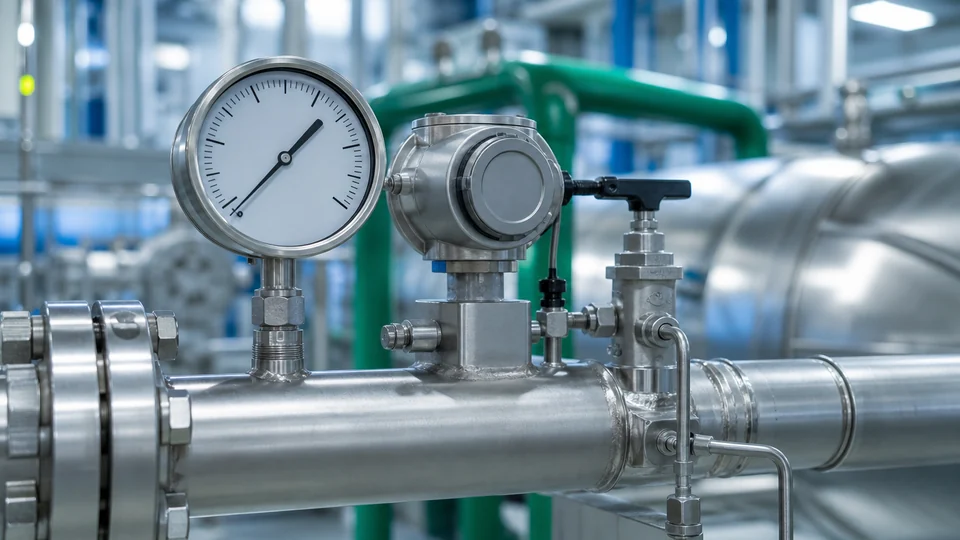
A practical pressure-monitoring plan starts by separating the skid into service zones. Water feed pressure confirms pump performance and protects the stack from starvation. Stack inlet and outlet pressure help detect abnormal restriction or imbalance. Hydrogen outlet pressure is tied to gas-liquid separation, dryer performance, buffer storage and compressor inlet stability. Oxygen outlet pressure is equally important, but it may require different cleaning, material and safety practices because oxygen accelerates combustion risk when oils or incompatible residues are present. Cooling water pressure and differential pressure across heat exchangers help protect the thermal balance of the stack.
A typical modular electrolyzer package may use both local pressure gauges and pressure transmitters. Local gauges give maintenance personnel an immediate visual reference during commissioning, purging, isolation and troubleshooting. Transmitters feed the PLC, alarm records and remote monitoring system. A gauge located beside a transmitter is useful only when the tapping, isolation valve and elevation make the two readings comparable.
| Monitoring point | What the signal helps reveal | Instrument note |
|---|---|---|
| Feed water pump discharge | Pump health, blocked prefilter, poor supply | Stainless wetted parts; verify water chemistry |
| Stack inlet and outlet | Flow restriction, valve sequencing, stack protection | Transmitter for control; local gauge for commissioning |
| Hydrogen separator outlet | Separator stability, dryer load, compressor inlet condition | Confirm hydrogen compatibility and leak-tight fittings |
| Oxygen outlet | Backpressure, vent or separator behavior | Specify oxygen-clean service when required by project rules |
| Dryer or filter differential pressure | Saturated media, blocked element, condensate carryover | DP transmitter or paired gauges with clear procedure |
3. Selecting gauges and transmitters for hydrogen and oxygen service
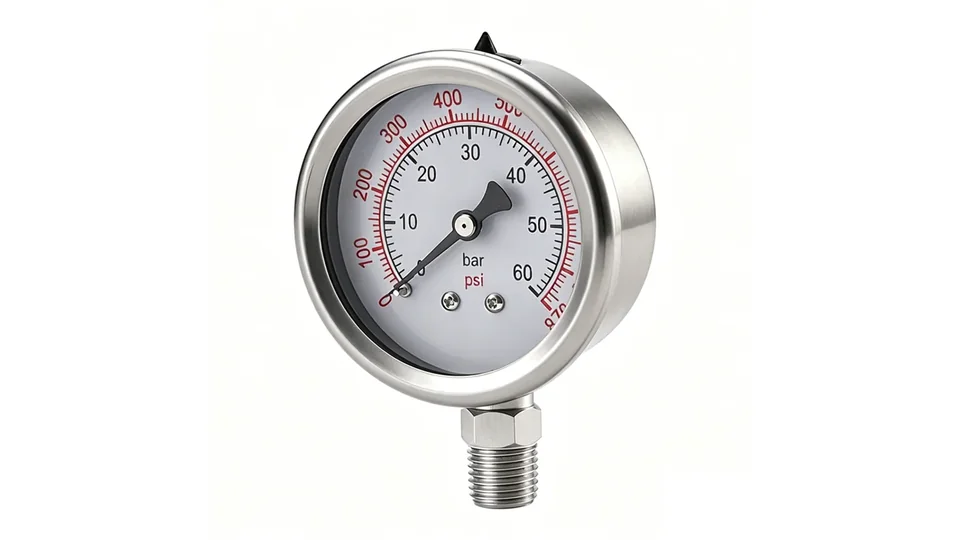
Hydrogen is a small, rapidly diffusing molecule, so pressure-instrument selection should treat leakage control, material compatibility and connection quality as first-order requirements. Stainless steel wetted parts are commonly preferred over brass in industrial hydrogen-adjacent service, but the final material choice must be checked against pressure, temperature, gas purity, moisture, cleaning chemicals and any project standard for hydrogen embrittlement risk.
Transmitters add another layer: diaphragm material, fill fluid, electrical certification, output signal, response time, diagnostics and calibration access. On a control skid, a transmitter may be more valuable than a gauge at points used for alarm trips, compressor permissives or automatic shutdown. The local gauge remains useful where technicians must verify zero pressure before opening a line or compare a field reading during a commissioning walkdown.
Oxygen service needs separate attention. A pressure instrument that is acceptable on a water loop or hydrogen outlet is not automatically acceptable on an oxygen outlet. Depending on project requirements, oxygen-contact parts may need oxygen-clean handling, compatible lubricants or no lubricant exposure, dedicated packaging and traceable cleaning records. Related reading: 316L stainless steel vs brass pressure gauge wetted parts and pressure gauge thread connection selection.
Hidrojen basınç enstrümanı RFQ gönderin ->Mühendislerimiz 24 saat içinde yanıtlar→4. Installation details that make pressure data trustworthy
Pressure data is only useful when the installation makes the reading representative. A gauge should be vertical and visible from the service path, with enough clearance to read the dial without placing a technician near hot surfaces, rotating equipment or vent points. Isolation valves allow calibration or replacement without depressurizing a larger section, but a closed isolation valve can also create a false steady reading.
Impulse lines should be short, supported and routed to avoid condensate traps unless the design intentionally uses a seal or condensate leg. Hydrogen lines demand leak-tight fittings and disciplined torque practices. Oxygen lines demand cleanliness control. In vibrating compressor or pump areas, a liquid-filled gauge, snubber or remote-mounted transmitter may be considered, but the damping device must not hide fast pressure excursions that the control system needs to see.
Outdoor hydrogen skids may face rain, solar heating, freeze-thaw cycles, salt air or washdown. The instrument enclosure rating, cable gland, venting, dial visibility and calibration access should be reviewed together. For hazardous areas, electrical transmitters and switches must match the site classification and approved protection concept.
5. What pressure trends can and cannot prove
A useful hydrogen electrolyzer pressure trend answers operational questions. Did the feed pump reach the expected discharge pressure before stack energization? Did the hydrogen separator pressure stabilize before gas was routed downstream? Did dryer differential pressure rise faster than expected after a maintenance interval? Did compressor suction pressure fall when downstream demand increased? These questions help operators decide whether to inspect filters, check valve sequencing, review gas analysis, adjust control parameters or schedule maintenance.
Pressure trends cannot prove hydrogen purity, oxygen content, moisture level, stack membrane condition or safety compliance by themselves. They also cannot replace leak detection, gas analyzers, relief devices, ventilation design or a validated safety instrumented function. A normal pressure reading may still exist while gas quality is out of specification. A low reading may be caused by normal demand change rather than a leak.
That boundary is important for procurement. Do not buy a pressure gauge because it appears in a hydrogen article and assume it is suitable for every hydrogen skid. The project team should confirm pressure range, normal operating pressure, maximum allowable pressure, process temperature, gas composition, moisture, oxygen exposure, cleaning requirement, connection standard, hazardous-area classification, documentation and calibration interval.
6. Specification checklist for a hydrogen pressure instrument RFQ
A clear RFQ reduces back-and-forth between the electrolyzer OEM, EPC contractor, instrument supplier and plant owner. For each pressure point, state the service zone: water, hydrogen, oxygen, cooling water, nitrogen purge, dryer, filter, compressor inlet or storage interface. Provide normal pressure, alarm pressure, design pressure, temperature range, ambient exposure, vibration level and whether the instrument is used for local indication, PLC control, alarm logging or safety interlock.
For a local gauge, specify dial size, accuracy class, range, connection thread, lower or back mount, wetted material, case material, window, fill, overpressure protection and any safety pattern requirement. For a transmitter, specify rangeability, output, electrical connection, process connection, diaphragm material, enclosure rating, calibration certificate and area classification.
Manogauge can support the mechanical pressure gauge side with stainless steel, diaphragm-protected and digital pressure gauge configurations, but final hydrogen and oxygen compatibility must be confirmed against the actual P&ID and project specification. For early comparison, review digital pressure gauge models, diaphragm pressure gauge options and the broader pressure gauge RFQ form.
Key takeaways
- Hydrogen electrolyzer pressure monitoring should cover water, hydrogen, oxygen, cooling and downstream interfaces.
- Local gauges and transmitters serve different jobs; compare readings only when tapping points and valve states are controlled.
- Oxygen service, hazardous areas and hydrogen compatibility must be confirmed from the project specification.
Related products
- Isolating-Diaphragm Gauge - Radial Type 1 (ZX-04-R1) — 0–60 MPa
- Stainless Steel Pressure Gauge - Radial (ZX-01-R) — 0–100 MPa
Часто задаваемые вопросы
What pressure range is typical for a hydrogen electrolyzer gauge?
There is no universal range. Specify from the project P&ID: normal pressure, alarm pressure, design pressure, overpressure margin and whether the instrument is for local indication, control or safety action.
Can a standard stainless steel pressure gauge be used on hydrogen service?
Not automatically. The supplier and electrolyzer OEM must confirm hydrogen compatibility, pressure rating, connection sealing, cleaning, documentation and project requirements for hydrogen embrittlement or hazardous areas.
Does oxygen service require a different pressure instrument specification?
Often yes. Oxygen-contact parts may require oxygen-clean handling, compatible materials, no oil or grease contamination, dedicated packaging and traceable records.
Where should pressure transmitters be used instead of local gauges?
Use transmitters where the signal drives PLC control, alarm history, compressor permissives, automatic shutdown or remote monitoring. Use local gauges for visual confirmation during commissioning and maintenance.
Can pressure monitoring prove that hydrogen is pure or safe?
No. Pressure monitoring supports process verification, but it does not prove hydrogen purity, oxygen content, moisture, leak-free operation or regulatory compliance.