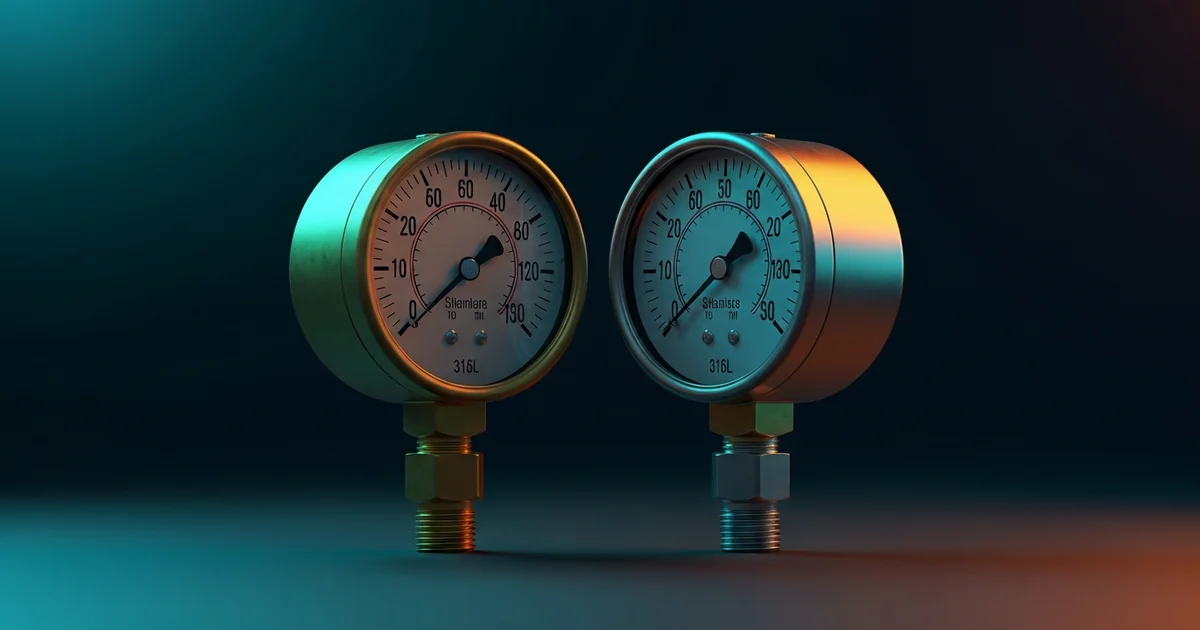
접액부 재질, 특히 부르동관과 소켓의 선택은 압력계의 사용 수명, 정확도, 안전성을 좌우하는 매우 중요한 결정입니다. 황동은 비부식성 유체에 대해 비용 효율적인 솔루션을 제공하는 반면, 316L 스테인리스 스틸은 광범위한 산업 공정에 필요한 내식성을 제공합니다. 다양한 화학 환경에서 각 합금의 특정 파손 메커니즘을 이해하는 것은 적절한 계기 사양을 선정하고 조기 파손, 공정 오염 또는 치명적인 누출을 방지하는 데 필수적입니다. 본 분석은 이러한 일반적인 재질 간의 선택을 위한 기술적 근거를 제공하고, 더 높은 성능의 합금이 필요한 경우를 식별합니다.
재질의 기본 특성 및 관련 규격
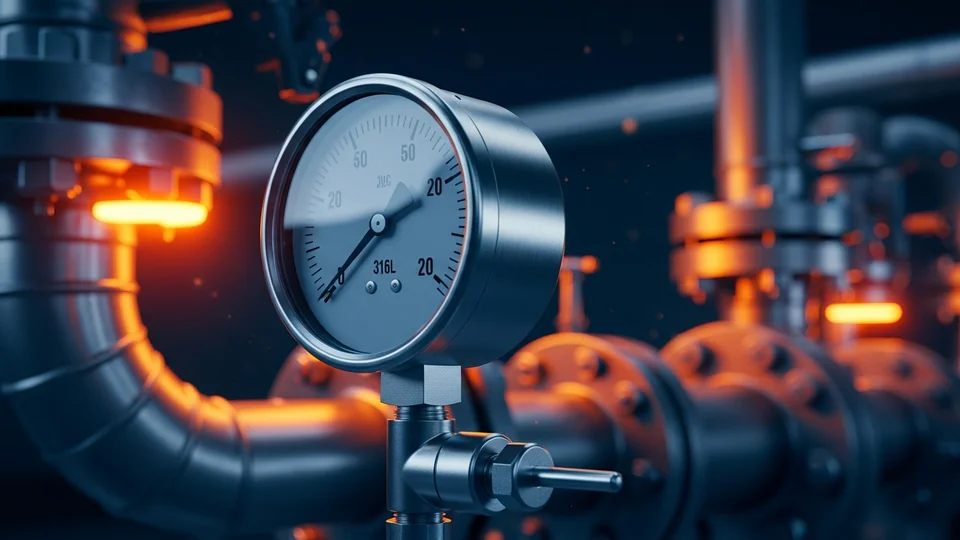
접액부란 공정 유체와 직접 접촉하는 압력계의 모든 부품을 의미합니다. 일반적인 부르동관 압력계의 경우, 이는 소켓(공정 연결부)과 부르동관 자체를 포함합니다. 이러한 부품의 무결성은 가장 중요하며, 파손 시 유체 격리 실패로 이어집니다.
황동은 일반적으로 소켓에는 C36000(쾌삭 황동), 튜브에는 C26000(카트리지 황동) 합금이 사용되는 구리-아연 합금입니다. 저렴한 비용으로 우수한 기계적 특성과 가공성을 제공합니다. 일반적으로 계장용 공기, 청수, 유압유와 같은 비부식성 유체에 사용이 제한됩니다.
316L 스테인리스 스틸(UNS S31603)은 몰리브덴을 함유한 오스테나이트계 크롬-니켈 스테인리스 스틸입니다. 'L' 지정은 낮은 탄소 함량(≤0.03%)을 나타내며, 이는 용접 중 탄화물 석출을 최소화하여 열영향부의 내식성을 보존합니다. 이 합금은 폭넓은 내화학성 덕분에 화학, 석유화학, 제약 및 식품 가공 분야에서 기본적으로 선택되는 재질입니다. 모든 Manogauge 계기는 재질, 구조 및 안전에 대한 요구사항을 규정하는 ASME B40.100(압력계 및 게이지 부착물) 및 EN 837-1(압력계 - 제1부: 부르동관 압력계)을 포함한 관련 국제 표준 및 KS 규격을 준수합니다.
압력계 카탈로그 보기 →143개 이상의 공업용 게이지 탐색→주요 공정 유체별 부식 특성
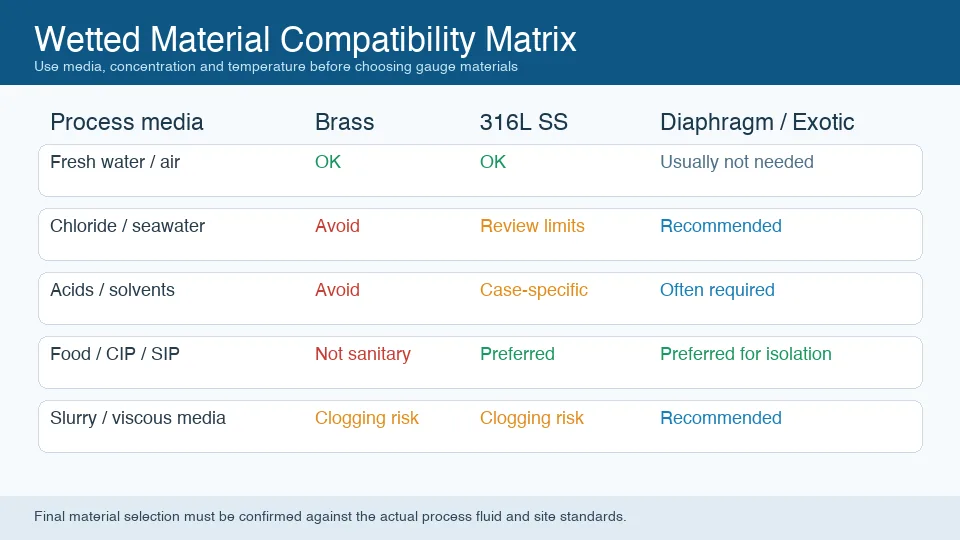
재질의 성능은 전적으로 공정 유체의 화학적 조성, 농도 및 온도에 따라 달라집니다. 다음은 일반적인 호환성에 대한 개요입니다.
- 산(Acids): 황동은 대부분의 무기산 및 유기산, 특히 질산과 같은 산화성 산에 대한 저항성이 낮습니다. 316L SS는 인산 및 아세트산을 포함한 광범위한 산에 대해 우수한 저항성을 제공하지만, 염산, 고농도 및 고온의 황산, 기타 할로겐 함유 산에는 부식됩니다.
- 해수 / 염수(Salt Water / Brine): 황동은 염화물을 포함하는 용액에서 탈아연 부식에 매우 취약합니다. 이 과정에서 아연이 합금에서 선택적으로 침출되어 다공성의 약화된 구리 구조를 남깁니다. 316L SS는 몰리브덴으로 강화된 부동태 크롬 산화 피막 덕분에 훨씬 우수합니다. 그러나 정체된 고온의 고농도 염화물 환경에서는 국부적인 공식 및 틈새 부식에 취약할 수 있습니다.
- 탄화수소(Hydrocarbons - Oils, Fuels): 두 재질 모두 일반적으로 정제된 탄화수소와 호환됩니다. 주된 위험은 오염 물질에서 비롯됩니다. 황화수소(H₂S)를 포함하는 사워(sour) 환경이나 수분 및 염화물 함량이 높은 유체는 황화물 응력 부식 균열 및 공식을 방지하기 위해 316L SS 또는 그 이상의 합금을 사용해야 합니다.
- 염소계 용제(Chlorinated Solvents): 316L SS는 일반적으로 저항성이 있지만, 이러한 용제는 물이 있는 환경에서 가수분해되어 염산을 형성할 수 있으며, 이는 강재를 부식시킵니다. 황동은 이러한 환경에 권장되지 않습니다.
- 암모니아(Ammonia - Anhydrous & Aqueous): 황동은 암모니아 환경에 절대 사용해서는 안 됩니다. 암모니아와 습기가 있는 환경에서는 응력 부식 균열(SCC)로 인해 급격한 파손이 발생할 수 있습니다. 316L 스테인리스 스틸은 암모니아 응용 분야의 표준 재질입니다.
- 식품 등급 / 위생용 유체(Food-Grade / Sanitary Fluids): 316L SS는 식품, 음료 및 제약 산업의 표준입니다. 표면이 비다공성이며 내식성이 있고 공정 유체로 오염 물질을 침출시키지 않습니다. 황동은 모든 위생 또는 고순도 응용 분야에 부적합합니다.
공식 저항 지수(PREN) 및 CIP(정치 세정) 호환성
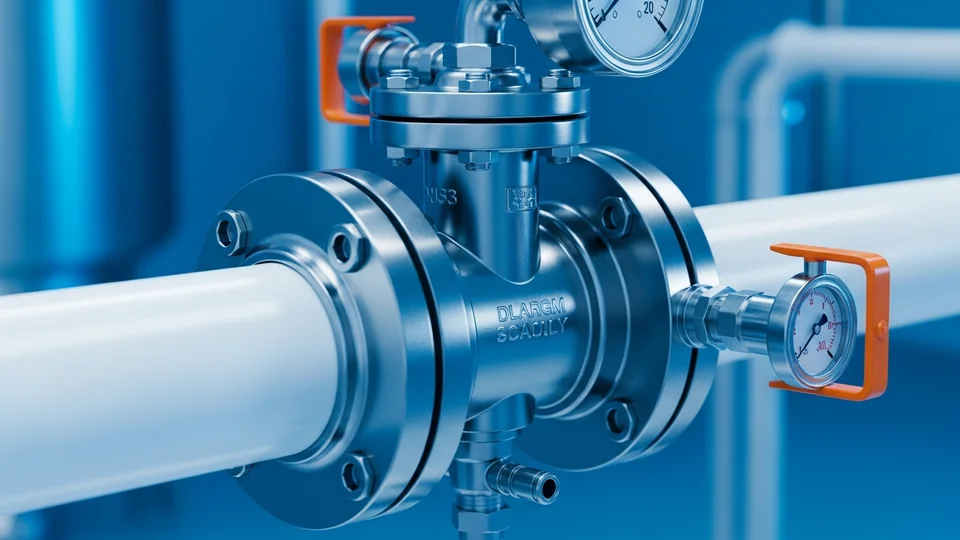
염화물을 포함하는 응용 분야에서는 공식 저항에 대한 정량적 척도가 유용합니다. 공식 저항 지수(PREN, Pitting Resistance Equivalent Number)는 스테인리스 스틸의 공식 저항성을 예측하는 데 사용되는 경험적 공식입니다.
PREN = %Cr + 3.3 * %Mo + 16 * %N
PREN 값이 높을수록 저항성이 더 큽니다. 316L 스테인리스 스틸의 경우 일반적인 PREN은 ~24입니다. 이는 많은 산업 환경에 적합한 저항성을 제공하지만, 해수나 공격적인 화학 공정 염수와 같은 환경에서는 불충분할 수 있으며, 이러한 경우 듀플렉스 스테인리스 스틸(PREN > 40)이 종종 요구됩니다. 황동은 염수 용액에서의 주된 파손 메커니즘이 공식이 아닌 탈아연 부식이므로 의미 있는 PREN 값을 갖지 않습니다.
CIP(정치 세정) 및 SIP(정치 증기 멸균) 프로토콜과의 호환성은 위생 산업에서 타협할 수 없는 필수 요건입니다. 이러한 공정은 고온에서 가성소다, 질산, 과초산 등과 같은 공격적인 세척제를 사용합니다. 316L SS는 이러한 표준 세척 방식과 완벽하게 호환되어 재질의 열화 없이 효과적인 살균이 가능합니다. 황동은 CIP 화학 물질에 의해 급격히 부식되므로 이러한 프로토콜이 필요한 모든 응용 분야에서 사용할 수 없습니다.
무료 견적 요청하기엔지니어가 24시간 이내 답변→상위 합금으로의 업그레이드: 하스텔로이, 모넬, 탄탈럼
공정 유체가 316L 스테인리스 스틸에 비해 너무 공격적일 때는 더 높은 사양의 합금이 필요합니다. 전체 압력계를 특수 합금으로 제작하는 것보다, 표준 압력계를 공정으로부터 격리시키는 다이어프램 씰에 이러한 재질을 사용하는 것이 종종 더 비용 효율적입니다.
- 하스텔로이 C-276 (UNS N10276): 광범위한 극한 환경에 대한 탁월한 저항성을 가진 니켈-몰리브덴-크롬 초합금입니다. 습염소 가스, 하이포아염소산염, 강산화성 산, 염화 제2철/제2구리 등을 포함하는 환경에 지정됩니다. 공식 및 응력 부식 균열 모두에 대한 뛰어난 저항성을 가집니다.
- 모넬 400 (UNS N04400): 강철과 유리를 모두 공격적으로 부식시키는 화학 물질인 불산(HF)에 대한 탁월한 저항성으로 알려진 니켈-구리 합금입니다. 또한 환원성 환경, 염수 및 불소 가스에서도 우수한 성능을 보입니다.
- 탄탈럼 (Ta): 사용 가능한 가장 내식성이 강한 금속 중 하나입니다. 150°C 이하에서는 농축 염산 및 황산을 포함한 대부분의 산에 대해 거의 불활성입니다. 높은 비용 때문에 다른 재질이 견딜 수 없는 가장 까다로운 화학 응용 분야의 다이어프램에 사용이 제한됩니다.
Key takeaways
- 비용 최적화를 위해 공기, 물, 유압유와 같은 중성, 비부식성 유체에만 황동 접액부를 사용하십시오.
- 화학적 호환성, 위생(CIP/SIP) 응용 분야, 암모니아 또는 염화물을 포함하는 모든 환경에는 316L 스테인리스 스틸을 표준으로 선택하십시오.
- 316L SS는 고온, 정체 상태의 고농도 염화물 환경에서 공식에 취약하며, 공식 저항 지수(PREN)는 약 24입니다.
- 습염소나 불산과 같이 316L SS에 너무 공격적인 유체의 경우, 하스텔로이 C-276 또는 모넬과 같은 상위 합금으로 제작된 다이어프램 씰을 사용하십시오.
Related products
- Stainless Steel Pressure Gauge - Radial (ZX-01-R) — 0–100 MPa
- Isolating-Diaphragm Gauge - Radial Type 1 (ZX-04-R1) — 0–60 MPa
Часто задаваемые вопросы
Why is 316L stainless steel preferred over brass for corrosive applications?
316L SS contains 2–3% molybdenum, which provides superior resistance to chloride pitting and crevice corrosion compared to brass. Brass alloys are prone to dezincification in chloride-containing media and stress-corrosion cracking in ammonia atmospheres. 316L maintains mechanical integrity in a wider range of industrial chemicals.
What media will attack 316L stainless steel in a pressure gauge?
Concentrated hydrochloric acid (>5%), hydrofluoric acid, bromine, and hot concentrated sodium hydroxide are among the most aggressive media for 316L SS. For these services, specify Hastelloy C-276, Monel 400, or tantalum wetted parts depending on the specific chemical.
Can a brass gauge be used for seawater monitoring?
Not recommended. Seawater (chloride ~19,000 ppm) causes rapid dezincification of brass alloys, leading to porous, weakened fittings and potential gauge failure. Specify 316L SS or duplex stainless steel for seawater and brackish water applications.
What is the temperature limit for 316L stainless steel Bourdon tubes?
Standard 316L SS Bourdon tubes are rated to approximately 200°C continuous service. Above this temperature, creep and oxidation degrade accuracy. For high-temperature steam (>200°C), specify a siphon tube and confirm with the manufacturer on the specific alloy heat treatment.
Does the gauge socket material matter as much as the Bourdon tube material?
Yes. The socket (process connection) is the first point of contact with media and experiences the most stress from pressure cycling and thread engagement. Always specify the same corrosion-resistant alloy for both the socket and Bourdon tube. A 316L tube on a brass socket will fail at the socket first.